
Heat Pump Not Heating in Saskatoon? Know When It Needs Emergency Repair
November 2, 2026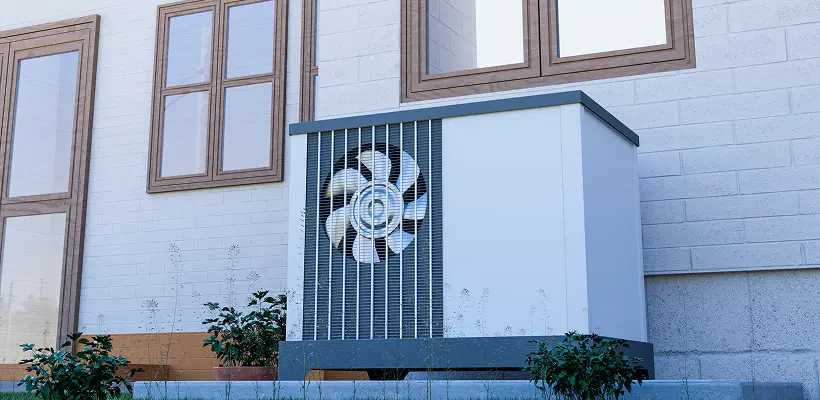
You wake up, the house is freezing, and the thermostat is working overtime trying to catch up. You look out the window, and the outdoor unit is covered in frost. Is the equipment actually broken, or is it just doing its normal thing because it is -30°C on the prairies? That exact moment of uncertainty is usually when homeowners start looking for emergency heat pump repair in Saskatoon to figure out why their living room is rapidly losing temperature.
This guide is designed to help you figure out what is normal for a Saskatchewan winter, and when it is actually time to get a professional out to the house. Proper heat pump service in Saskatoon relies on accurate diagnostics, from checking frozen coils to verifying backup furnace communication. Here is how to tell the difference between a heat pump that is simply operating in extreme cold, and one experiencing a genuine mechanical failure.
When Do You Need Emergency Heat Pump Repair in Saskatoon?
So, when does a weird noise or a chilly room turn into a legitimate emergency? The baseline rule is pretty simple. If the house is actively losing heat and the backup furnace hasn’t automatically taken over to save the day, there is a serious problem requiring emergency heat pump repair in Saskatoon.
Down here in Saskatchewan, the winter climate pushes heating equipment to its absolute limits. SaskPower even officially notes that heat pumps need help from a supplementary heater when the weather gets exceptionally cold. If it is -30°C outside, an air-source heat pump is going to struggle to pull enough thermal energy from the outdoor air to heat a whole house. That is why many Saskatoon homes with air-source heat pumps rely on supplementary heating, such as a gas furnace or electric backup system, during extreme cold.
But if the backup gas furnace isn’t firing up automatically to pick up the slack when the heat pump steps down, that is an emergency. When diagnosing a heat pump not heating Saskatoon homes during a deep freeze, figuring out if the outdoor pump failed, or if the indoor backup furnace simply dropped communication, is the very first step. A home losing heat in January isn’t something that can wait for a regular tune-up next week.
Is Frost on Your Heat Pump Normal or a Repair Warning?
Seeing an outdoor heating unit turn completely white freaks a lot of people out. But a little bit of frost on the side panels is completely normal. In fact, heat pumps have a built-in defrost cycle specifically designed to melt that frost off. You might even hear a loud “whoosh” sound and see steam rising from the unit; that is just the system doing its job. Even Natural Resources Canada confirms that ice accumulation and periodic defrosting are an expected part of normal heat pump operation in cold climates.
However, there is a massive difference between a normal layer of frost and a complete system freeze-up. Here is where it crosses the line into needing emergency heat pump repair in Saskatoon: a little frost is fine, but a unit disappearing under solid, thick ice is a completely different story.
If you find a heat pump frozen in winter under an impenetrable block of ice, to the point where the fan blades can’t even spin or are actively scraping against the ice, the system is suffocating. This usually means the defrost controls have failed, a sensor is dead, or the reversing valve is physically stuck. When this happens, do not grab a screwdriver or a hammer to chip the ice away. Hitting the unit will almost certainly puncture the fragile aluminum coils and vent all the refrigerant, turning a simple sensor repair into a massive replacement bill. It needs professional hands and a proper hot-water thaw.
Why Is Your Heat Pump Blowing Cold Air?
Nobody wants to feel cold air blasting out of their living room vents in the middle of January. But believe it or not, it doesn’t always mean the compressor is dead.
When a heat pump goes into that normal defrost cycle we just talked about, it essentially shifts into air conditioning mode for a few minutes to send hot refrigerant outside to melt the ice. During those few minutes, the air blowing inside your home might feel a bit chilly. Usually, the backup furnace is supposed to turn on to warm that air up, but sometimes there is a brief delay.
But if you have a heat pump blowing cold air persistently, for hours on end, and the room temperature is steadily dropping, the system needs to be evaluated. Homeowners faced with continuous cold airflow should consider emergency heat pump repair in Saskatoon to prevent their home from dropping to unsafe temperatures. Technicians have to trace the sequence of operations to figure out what is going wrong. It could be a simple thermostat setting error, a backup furnace that is locked out and refusing to ignite, or an actual mechanical failure like a slow refrigerant leak that has robbed the system of its ability to move heat.
When Short Cycling Stops Being an Annoyance
Does the heat pump turn on, run loudly for two minutes, shut completely off, and then start the whole process over again five minutes later? In the HVAC world, we call that “short cycling.” It is incredibly annoying to listen to, but more importantly, it is violently hard on the equipment.
Starting up a compressor requires a massive surge of electricity. Doing that dozens of times an hour creates intense heat and wear on the electrical components. When you have a heat pump short cycling, scheduling emergency heat pump repair in Saskatoon can safeguard your system before permanent damage occurs.
The actual outdoor compressor might be in perfect physical shape, but the root cause is usually a communication error with the smart thermostat, a severely clogged indoor filter choking off the airflow, or a low-pressure safety switch repeatedly tripping because the system is low on refrigerant. A proper fix means tracing the electrical path through the whole system, inside and out, to find the real cause before the compressor burns itself out.
What Can You Safely Check Before Calling for Repair?
Before paying for a professional service call, there is a checklist of easy, safe things every homeowner should look at:
- Check the thermostat settings: Ensure it is actually set to “Heat” and not accidentally bumped to “Cool” or “Fan Only.”
- Check the electrical panel: Look for a tripped breaker. Sometimes a momentary power surge will trip the heat pump’s breaker, shutting it down.
- Inspect the indoor furnace filter: If the filter looks like a solid, grey wall of dirt, change it immediately. Restricted airflow can contribute to poor heating performance and short cycling.
- Clear the outdoor unit: Carefully remove loose snow, leaves, or debris blocking airflow around the unit. Do not chip, scrape, or forcefully remove ice attached to the equipment. If heavy ice buildup persists, contact a qualified technician.
- Listen for the backup: Turn the thermostat up a few degrees and listen to see if the indoor backup gas furnace is even attempting to ignite.
If those five things check out and the house is still freezing, it’s time to call for emergency heat pump repair in Saskatoon. Trying to diagnose high-voltage electrical components or pressurized refrigerant lines via YouTube videos is a recipe for disaster. Keep it safe and leave the internal cabinet closed.
What Will a Technician Actually Check During an Emergency Call?
When a certified refrigeration mechanic shows up for an emergency diagnostic, they don’t just kick the tires, add some gas, and hope for the best. A proper diagnostic requires a highly specific sequence of checks to ensure the system is safe and efficient.
They will start by checking the thermostat communication to ensure the brain of the system is actually sending the right signals. They will manually test the defrost sensors and the reversing valve to ensure the unit can switch modes properly. They will hook up digital gauges to measure the exact refrigerant pressures and temperatures, checking for microscopic leaks. Finally, they will test the dual-fuel integration controls, making absolutely sure the indoor gas furnace knows exactly when to take over from the heat pump during a cold snap. The goal is to find the exact part that failed so there is zero guesswork with your money.
Why Waiting Can Turn a Small Failure Into a Bigger One
If a heating system is limping along, making weird noises, or barely keeping the house at 18°C, do not just ignore it and hope it survives until the spring thaw.
Running a heat pump with restricted airflow, a low refrigerant charge, or solid ice crushing the coils puts massive, compounding strain on the compressor. Compressors are the heart of the system, and they are incredibly expensive to replace. A prompt call for heat pump repair in Saskatoon can catch a failing $50 capacitor or a faulty temperature sensor before it forces the compressor to work itself to death. Plus, nobody wants to risk their home’s plumbing freezing solid while waiting to see if a struggling heater will magically fix itself.
If the house is cold, the backup furnace isn’t stepping up, or the outdoor unit is permanently encased in ice, get a professional out there. At One Mechanical, the service team doesn’t work on commission, and nobody shows up to push a brand new system on a stressed homeowner. The process is simple: we diagnose the exact mechanical problem and provide a transparent price to fix it.
Need an honest diagnosis? Contact us today at (306) 801-5856.