
Executing High Performance Mechanical Renovations To Lower Building Life Cycle Costs
July 10, 2026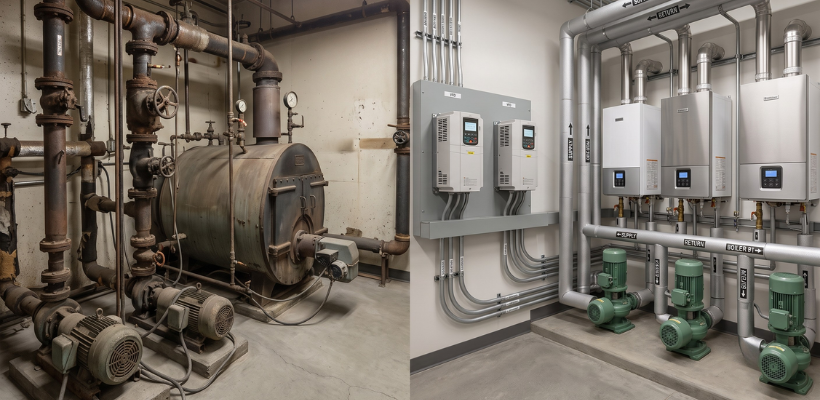
The mechanical systems within commercial buildings represent one of the largest capital expenditures and ongoing operational costs for property owners. As building codes grow more stringent and energy costs continue their upward trajectory, many facility managers find themselves managing outdated HVAC, plumbing, and control systems that drain resources and compromise tenant comfort. Professional mechanical renovations deliver immediate performance gains while substantially reducing long-term ownership expenses
Understanding Life Cycle Costing in Building Operations
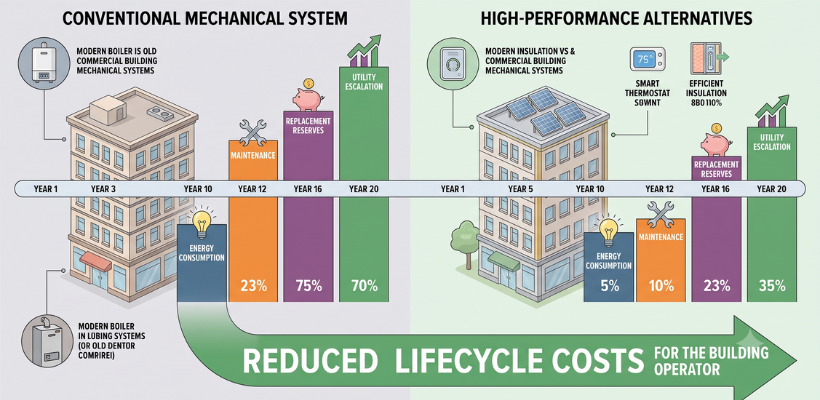
Life cycle cost analysis examines the total cost of building ownership over its useful life, encompassing initial capital expenditure, operating expenses, maintenance, and eventual replacement. Mechanical systems typically constitute 40 to 60 per cent of a building’s operational budget, making them the primary target for cost-reduction strategies. When evaluating mechanical renovations, property owners must consider not only the upfront investment but also projected energy savings, reduced repair frequency, and extended equipment longevity.
According to Natural Resources Canada, commercial buildings account for a significant portion of national energy consumption, and targeted upgrades can yield reductions of 20 to 35 per cent in annual utility expenditure. This federal guidance reinforces the business case for proactive mechanical improvements.
Key Systems Addressed in Mechanical Renovations
Heating, Ventilation, and Air Conditioning
HVAC systems represent the largest energy consumer in most commercial properties. Outdated chillers, boilers, and air handling units often operate at efficiency levels far below current standards. High-performance mechanical renovations typically include:
- Replacement of constant-speed equipment with variable frequency drives that modulate output to match building loads
- Installation of demand-controlled ventilation that adjusts fresh air intake based on occupancy sensors
- Integration of heat recovery systems that capture waste heat for space heating or domestic hot water
- Upgrading to condensing boilers with thermal efficiencies exceeding 95 per cent
Plumbing and Water Conservation
Water costs continue to rise across Canadian municipalities, and plumbing deficiencies contribute to both utility bills and property damage. Modern mechanical upgrades address:
- Low-flow fixtures that reduce water consumption without compromising performance
- Leak detection systems that identify issues before structural damage occurs
- Greywater recycling systems for non-potable applications such as irrigation and cooling tower makeup
- Insulated piping that reduces heat loss in domestic hot water distribution
Building Automation and Controls
A building’s mechanical systems are only as effective as the controls that manage them. Contemporary building automation systems enable facility managers to:
- Monitor real-time energy consumption across individual zones
- Implement scheduling that matches system operation to occupancy patterns
- Receive alerts for equipment performance anomalies
- Adjust settings remotely through secure cloud-based interfaces
Financial Benefits of Strategic Renovations
The financial justification for mechanical renovations extends well beyond monthly utility bills. Owners who invest in comprehensive upgrades realise multiple returns:
Reduced Operating Expenses
Energy-efficient equipment consumes fewer kilowatt-hours per unit of output, directly lowering monthly invoices. Additionally, modern systems require less frequent maintenance and experience fewer breakdowns, reducing both in-house labour costs and outsourced service calls.
Extended Equipment Lifespan
Older mechanical systems often suffer from degraded performance and increasing repair frequency. Strategic replacement before catastrophic failure allows owners to budget for capital expenditure rather than reacting to emergency situations.
Increased Property Value
Buildings with high-performance mechanical systems command premium lease rates and attract tenants who prioritise sustainability. Prospective purchasers recognise the value of modern infrastructure, translating to higher sale prices and faster transaction cycles.
Enhanced Occupant Productivity
Improved indoor air quality, consistent temperature control, and proper humidification contribute to tenant satisfaction and staff productivity. Comfortable occupants are more likely to renew leases and recommend the building to other businesses.
Signs Your Building Requires Mechanical Upgrades
Property owners should consider professional mechanical renovations when encountering any of the following indicators:
- Rising utility costs despite stable occupancy and operational hours
- Frequent service calls for equipment not reaching setpoint temperatures
- Condensation or moisture issues within mechanical rooms or occupied spaces
- Inability to maintain comfortable conditions during extreme weather events
- Equipment that requires replacement parts no longer manufactured
Regular energy audits provide quantitative data supporting renovation decisions. Certified professionals evaluate system performance and identify opportunities that align with owner objectives and available incentive programmes.
Regulatory Compliance and Safety Considerations
Canadian building codes evolve continuously, with an increasing emphasis on energy performance and environmental responsibility. Current regulations address:
- Minimum efficiency standards for heating and cooling equipment
- Refrigerant management and greenhouse gas emission reductions
- Building envelope airtightness requirements that influence ventilation system sizing
- Fire suppression integration with mechanical system controls
Engaging experienced renovation specialists ensures that upgrades comply with all applicable codes and standards, including those referenced by the National Energy Code of Canada for Buildings. Attempting renovations without professional guidance often results in failed inspections and costly rework.
Implementation Strategies for Successful Renovations
Comprehensive System Assessment
Every building possesses unique characteristics requiring tailored solutions. A thorough assessment examines:
- Current equipment specifications and operating condition
- Building envelope performance and air infiltration rates
- Occupancy patterns and internal heat gain sources
- Local climate conditions influencing system requirements
Phased Implementation
Operating buildings cannot endure prolonged shutdowns during renovation. Professional contractors sequence work to minimise disruption, often performing major replacements during weekends or lower-occupancy periods.
Incentive Programme Integration
Federal and provincial governments offer financial incentives for energy-efficient renovations. Qualified contractors assist owners in navigating the application process, potentially offsetting a substantial portion of project costs. Grant programmes administered through Natural Resources Canada provide funding for feasibility studies, equipment upgrades, and post-installation verification.
Long-Term Value of Professional Renovations
When executed by qualified specialists, mechanical renovations produce benefits that compound over time. Reduced energy consumption lowers operational costs year after year while simultaneously reducing the building’s carbon footprint. Tenants and employees enjoy improved comfort and air quality, supporting retention and recruitment efforts. Equipment reliability increases, eliminating unexpected failures that disrupt operations and damage tenant relationships.
Furthermore, buildings with verified high-performance credentials command market premiums. Prospective tenants increasingly prioritise sustainability and operational efficiency when selecting commercial space. Owners who invest in mechanical upgrades position their properties advantageously against competitors who have deferred necessary improvements.
Conclusion
High-performance mechanical renovations represent one of the most effective investments available to commercial property owners. By addressing outdated HVAC, plumbing, and control systems, owners reduce operating expenses, extend equipment life, enhance property value, and contribute to environmental stewardship.
One Mechanical specialises in comprehensive mechanical renovations tailored to each building’s specific requirements. Our team of professional engineers and technicians conducts thorough assessments, develops strategic upgrade plans, and executes projects with minimal tenant disruption. We understand the intersection of energy performance, regulatory compliance, and financial return.
Contact us today for consultation and discover how targeted mechanical renovations can transform your building’s performance and profitability.