
AC Blowing Warm Air? 4 Things to Check Before Calling for AC Repair in Saskatoon
June 5, 2026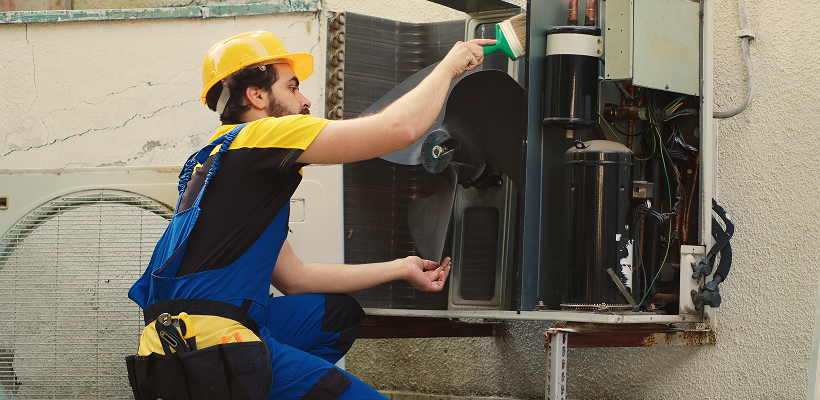
If your AC is blowing warm air during a Saskatoon heat wave, the problem is not always serious. In many homes, the issue comes down to airflow, thermostat settings, or a frozen coil caused by a plugged filter.
Before you book professional AC repair in Saskatoon, there are four quick things worth checking first. Most homeowners can go through this list in under five minutes, and sometimes the fix is simpler than expected.
1. Is Your Thermostat Set to “Fan” Instead of “Cool”?
This is one of the first things we check during service calls because it happens constantly at the start of summer. Someone changes the settings after winter, replaces batteries, or accidentally switches the fan mode without realizing it.
When the thermostat is set to “Fan,” the blower inside the house keeps moving air through the vents, but the outdoor AC unit never starts cooling. You still feel airflow, but the air coming out stays room temperature.
Check that your thermostat is set to:
- COOL
- AUTO
- A temperature lower than the current room temperature
After changing the settings, give the system about five minutes. If the outdoor unit kicks on and the air starts cooling, the problem may already be solved.
2. Is Your Filter Plugged With Saskatoon Dust or Cottonwood Fluff?
Saskatoon summers are rough on furnace filters. Road dust, construction debris, dry prairie air, and cottonwood fluff can clog a filter much faster than most homeowners expect.
When airflow gets restricted, the indoor evaporator coil can drop below freezing and start building ice. Once that happens, cold air stops moving properly through the system, even though the AC may still sound like it is running.
We see this regularly during peak summer heat. A plugged filter does not just reduce comfort. It forces the system to work harder and increases wear on important components over time.
Natural Resources Canada recommends maintaining proper airflow and replacing dirty filters regularly because restricted airflow reduces HVAC efficiency and increases system strain over time.
Pull the filter out and hold it toward a light source. If light barely passes through it, replace it immediately. In many cases, this alone improves airflow and cooling performance noticeably.
3. Is the Outdoor Unit Blocked or Tripped?
Your outdoor condenser needs steady airflow to release heat from the house. If the unit gets blocked by weeds, debris, or cottonwood buildup, it starts struggling to cool properly and may eventually shut itself down.
During Saskatoon summers, we often find outdoor units packed with fluff around the condenser fins. Sometimes the system overheats enough to trip the breaker entirely.
Go outside and check for:
- Grass or weeds growing too close
- Cottonwood buildup around the unit
- Dirty condenser fins
- A fan that is not spinning
- A tripped breaker in the electrical panel
Clear at least two feet around the condenser so the unit can breathe properly again. Then check the breaker panel for anything labeled AC, cooling, or condenser.
If the breaker trips again after resetting it once, stop there and call a professional. Repeated breaker trips usually point to an electrical or mechanical problem that needs proper diagnosis.
4. Are the Refrigerant Lines Frozen?
If you see ice forming on the copper refrigerant lines, turn the cooling off immediately. Running an AC while frozen can put serious strain on the compressor, and compressor failures are expensive repairs.
Frozen coils usually happen because airflow is restricted or the refrigerant charge is low. Either way, continuing to run the system in cooling mode usually makes the problem worse.
Common warning signs include:
- Ice on copper lines
- Frost near the furnace
- Weak airflow from vents
- Water around the indoor unit
- AC running constantly without properly cooling
If you see ice, turn the thermostat completely OFF. Then switch the fan from AUTO to ON so warm indoor air can help thaw the coil naturally.
This step saves time during the repair visit because technicians cannot properly diagnose a system that is frozen solid. Letting it thaw first often speeds up the repair process and reduces unnecessary labour time.
When It’s Time to Call for Professional AC Repair in Saskatoon
If these troubleshooting steps did not solve the issue, the problem likely involves a component that requires proper HVAC diagnostics and licensed repair work.
One common issue is a refrigerant leak. Refrigerant does not slowly “run out” over time. If levels are low, there is usually a physical leak somewhere in the system that needs to be located and repaired correctly.
The Government of Canada regulates the refrigerant because improper handling can damage equipment and release harmful substances into the environment.
Another common issue during Saskatoon heat waves is a failed capacitor or compressor. During extreme temperatures, these components work harder than normal and can fail without much warning.
That is why some homeowners still hear air moving through the vents even though the outdoor unit has stopped cooling entirely.
Honest Advice From a Local HVAC Team
A lot of homeowners put off calling for service because they expect the visit to turn into a sales pitch for a full system replacement. Sometimes replacement is necessary, but many cooling problems are much smaller than people expect.
At One Mechanical, the focus is on finding the actual problem first. Sometimes it is a frozen coil caused by a plugged filter. Sometimes it is a failed capacitor. Sometimes the repair is straightforward and does not require replacing the entire system.
When your house will not cool down during a Saskatchewan heat wave, getting honest answers quickly matters.
If your AC is still blowing warm air after these checks, call One Mechanical at (306) 270-6356 or book professional AC repair in Saskatoon online.