
Cold Showers? 5 Signs It’s Time for a Water Heater Replacement in Saskatoon
June 12, 2026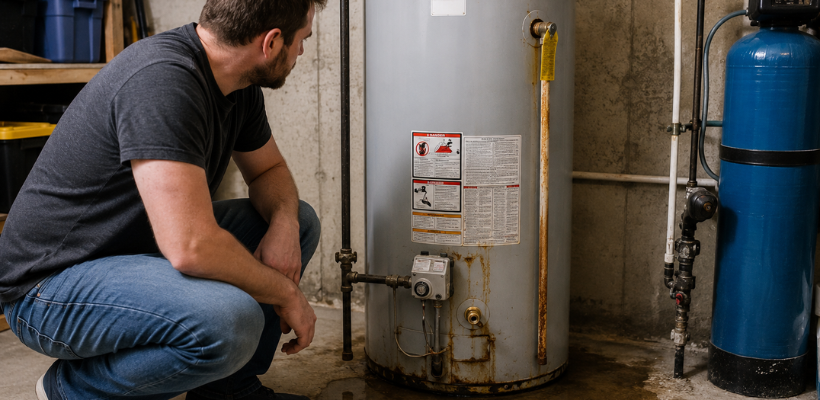
Most water heaters do not fail without warning. Usually, the first signs show up weeks or months earlier. Hot water starts running out faster. The tank takes longer to recover. Strange popping or rumbling noises start coming from the basement.
We see this a lot in older Saskatoon homes, especially systems dealing with years of hard water mineral buildup. Many tanks continue operating long after internal wear has begun to affect performance.
The problem is that once a water heater finally fails, it usually fails at the worst possible time. In Saskatoon winters, a leaking or completely dead tank can quickly turn into an emergency situation.
That is why many homeowners choose to deal with the issue before the system completely gives out. If your water heater has started acting differently lately, it may be time to consider water heater replacement in Saskatoon before a small problem becomes a much bigger one.
Here are five signs your water heater may be reaching the end of its lifespan.
1. Are Your Showers Getting Colder, Faster?
One of the first warning signs is inconsistent hot water. The shower starts hot, then turns lukewarm before everyone in the house is finished. In many homes, the amount of available hot water slowly gets shorter over time.
In electric systems, this often points to failing heating elements. In gas models, a damaged dip tube can start mixing cold incoming water into the hot supply too early, which makes the tank feel like it is running out much faster than normal.
Either way, the system is no longer heating or storing hot water properly. If your household suddenly starts running out of hot water during normal daily use, the tank may already be nearing the end of its lifespan.
2. Do You Hear Banging or Rumbling Sounds?
Saskatoon has hard water, so mineral sediment buildup inside water heaters is extremely common here. Over time, calcium and magnesium settle at the bottom of the tank and harden into a thick layer that traps heat underneath it.
We see this constantly in older systems around the city, especially tanks that have never been flushed properly. As the burner heats trapped water beneath that sediment layer, the tank starts making loud popping, knocking, or rumbling sounds from the basement.
Those noises usually mean the system is working harder than it should. Sediment buildup also reduces efficiency over time and forces the water heater to use more energy to do the same job. This increases energy bills and goes against the Natural Resources Canada’s water heating efficiency guidance.
A noisy tank is often a sign the system is aging faster than homeowners realize.
3. Is Rusty Water Coming From the Hot Taps?
If rusty water only appears when you run hot water, the corrosion may be happening inside the tank itself. This is one of the warning signs homeowners should not ignore because internal rust usually gets worse quickly once it starts.
Inside every water heater is an anode rod designed to attract corrosion before the steel tank walls begin rusting. Once that rod wears out completely, the inside of the tank becomes vulnerable and rust can begin spreading through the system.
In many homes, rusty hot water is one of the last warning signs before the tank starts leaking. If the discoloration only appears from the hot side, it is worth getting the system checked before the problem turns into water damage.
4. Is Water Pooling Around the Base of the Tank?
Water around the bottom of the tank should never be ignored. Sometimes the issue is something smaller like a loose fitting or a faulty pressure relief valve, but other times the tank itself has developed internal cracks after years of pressure changes and heating cycles.
Once the tank casing starts failing structurally, replacement is usually the only real option. Small leaks rarely stay small for long, especially in older systems that are already under stress internally.
We have seen many homeowners discover the problem only after the basement floor is already covered in water. If the tank itself is leaking, replacing it sooner usually prevents much larger repair costs later.
5. Are You Still Paying for an Old Rental Tank?
A lot of Saskatoon homeowners are still paying monthly rental fees on water heaters that are already well past their prime. In many cases, the tank is becoming less efficient while the monthly payments continue going up year after year.
We regularly see homeowners paying far more in long-term rental costs than the actual value of the equipment itself. At the same time, the system is already struggling to keep up with normal household demand.
In many homes, replacing the rental unit with a newer high-efficiency system ends up making more financial sense over the long run. The monthly savings alone can make a noticeable difference over time.
Water Heater Replacement in Saskatoon: Tank vs. Tankless
Once a water heater is nearing the end of its lifespan, the next decision is usually whether to install another storage tank or move to a tankless system. Both options can work well, but the right fit depends on the household and daily hot water usage.
Standard Storage Tanks
- Lower upfront installation cost
- Familiar operation
- Reliable for most households
- Limited by tank size
- Takes up more floor space
Tankless Water Heaters
- Continuous hot water on demand
- Lower standby energy loss
- Wall-mounted space savings
- Longer operating lifespan
- Higher upfront installation cost
Tankless systems work especially well in homes with high daily hot water demand, but they are not automatically the best option for every property. The right recommendation depends on the home, plumbing layout, usage habits, and long-term goals.
Honest Advice From a Local Mechanical Team
A lot of homeowners delay replacing their water heater because they expect a high-pressure sales conversation the moment they call somebody. Sometimes replacement is necessary, but many homeowners simply want honest advice about whether the current system is still worth repairing.
At One Mechanical, the focus is on diagnosing the actual condition of the system first. Sometimes the tank still has life left in it. Other times, replacing it before failure saves homeowners from water damage, emergency costs, and unnecessary stress.
Proper installation and venting matter with gas water heaters because poor airflow and improper exhaust ventilation can create serious indoor safety risks inside the home.
Even during warmer months, reliable hot water is still part of everyday comfort. When a system starts showing signs of failure, getting honest answers early usually saves homeowners stress later.
If you are considering water heater replacement in Saskatoon, call One Mechanical at (306) 270-6356 or book your service online today.