
Commercial Plumbing Maintenance Checklist for Long-Term System Performance
April 17, 2026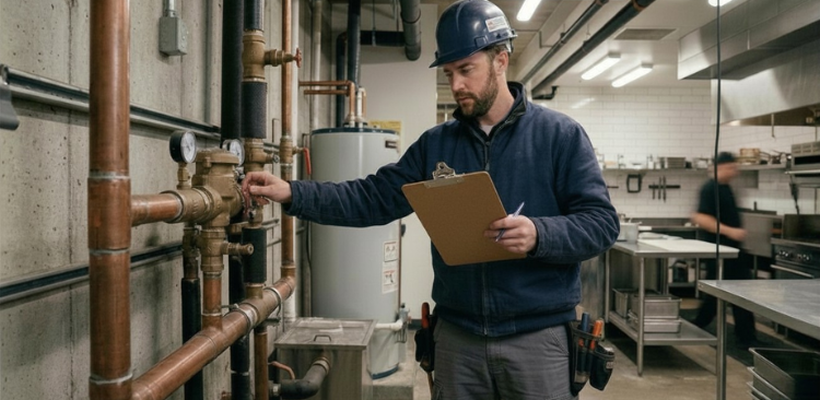
Commercial plumbing systems handle constant demand. Offices, warehouses, retail spaces, and industrial facilities depend on reliable water flow and drainage. Small plumbing issues can quickly disrupt operations.
A structured maintenance plan protects your investment. It reduces emergency repairs. It also extends system life. Businesses searching for a plumbing maintenance checklist often want a clear and practical guide.
Contractors offering professional commercial plumbing services can help building owners implement scheduled inspections and preventive strategies. A strong maintenance plan supports compliance, safety, and operational continuity.
Why Commercial Plumbing Maintenance Matters
Commercial plumbing systems are complex. They include supply lines, drainage systems, backflow devices, water heaters, pumps, and fixtures. These systems operate daily under heavy load.
Without routine inspection, minor leaks can lead to structural damage. Pressure fluctuations strain piping. Drain blockages can create sanitation risks.
Routine maintenance reduces downtime. It protects property value. It also supports regulatory compliance across commercial environments.
Understanding a Commercial Plumbing Inspection Checklist
A commercial plumbing inspection checklist is not a basic residential review. It addresses larger systems, higher water usage, and compliance requirements.
Facility managers need structured inspection schedules. Maintenance must occur monthly, quarterly, and annually, depending on system demand.
Maintenance protects mechanical reliability. It also prevents liability exposure.
Monthly Commercial Plumbing Maintenance Checks
Monthly inspections focus on visible performance and early warning signs. Staff should monitor water pressure and fixture operation.
Inspect exposed piping for corrosion. Look for condensation buildup. Check for slow drainage in sinks and floor drains.
Water heater performance should be reviewed. Listen for unusual sounds. Monitor temperature consistency.
Inspect restrooms and high-traffic areas. Look for leaks under sinks. Check shut-off valves. Ensure flush valves operate smoothly.
Monthly checks prevent unnoticed damage. They also identify early repair needs before systems fail.
Quarterly Plumbing System Inspections
Quarterly reviews require a more detailed system evaluation.
Test water pressure across multiple access points. Fluctuations may indicate internal blockage or pipe scaling.
Inspect backflow prevention devices. Commercial buildings require proper backflow protection to prevent contamination.
Inspect sump pumps and drainage systems. Confirm proper discharge. Clean strainers and remove sediment buildup.
Review exposed mechanical piping. Look for insulation damage or corrosion.
Quarterly inspections reduce unexpected system breakdowns.
Annual Commercial Plumbing Maintenance Review
Annual inspections should involve licensed commercial plumbers.
Conduct full system pressure testing. Inspect hidden piping where accessible. Evaluate pipe joints and connections.
Water heaters and boilers require professional servicing. Sediment accumulation reduces efficiency and increases energy costs.
Drain lines should be professionally cleaned. Hydro jetting removes buildup that restricts flow.
Review code compliance requirements. Building codes and municipal regulations may require documentation of inspection.
A documented annual inspection strengthens insurance protection and operational planning.
Key Components in a Commercial Plumbing Checklist
A comprehensive plumbing maintenance checklist should cover every major component in the system.
- Water supply lines require inspection for leaks and pressure stability.
- Drainage systems require camera inspection where necessary.
- Backflow prevention devices must undergo scheduled testing.
- Commercial water heaters require flushing and temperature calibration.
- Mechanical piping systems require joint and seal inspection.
- Emergency shut-off valves must remain accessible and functional.
- Maintenance documentation should record all findings.
- Clear records help track recurring issues.
Signs Your Plumbing Maintenance Checklist Needs Improvement
- Frequent repairs indicate reactive management.
- Rising water bills suggest hidden leaks.
- Recurring drain clogs often point to neglected line cleaning.
- Inconsistent water pressure may indicate aging infrastructure.
- Slow response times during plumbing emergencies highlight planning gaps.
- If maintenance occurs only after failure, the system is at risk.
- Preventive action always costs less than emergency repair.
Compliance and Safety Considerations
Commercial plumbing systems must meet federal, provincial, and municipal regulations. Maintenance is not only a performance issue. It is a legal responsibility.
The Canada Labour Code establishes clear employer obligations for workplace safety. It states:
“Every employer shall ensure that the health and safety at work of every person employed by the employer is protected.”
Functional plumbing systems directly support this obligation. Safe water supply, proper drainage, and sanitary restroom facilities protect employees and building occupants.
Neglected plumbing can create unsafe conditions. Contaminated water, sewer backups, and hidden leaks increase health risks. Regular inspections reduce these risks and support compliance with national standards.
Following the routine plumbing maintenance checklist is therefore more than preventative care. It is part of maintaining a safe and legally compliant commercial environment.
Cost Benefits of Preventive Plumbing Maintenance
Emergency plumbing repairs disrupt business. Downtime affects productivity and revenue.
Preventative maintenance reduces repair frequency. It extends equipment life. It also stabilizes operating budgets.
Replacing a failed commercial water heater is costly. Replacing damaged flooring from unnoticed leaks increases expenses further.
Maintenance spreads costs over time. It prevents sudden financial strain.
Integrating Plumbing Maintenance Checklist With Mechanical Systems
Commercial plumbing systems connect with HVAC and mechanical infrastructure.
Boiler systems support heating. Cooling towers rely on water supply integrity.
If plumbing fails, other building systems suffer. Integrated maintenance ensures system harmony.
Facility managers benefit from coordinated inspections. Mechanical contractors can align plumbing, heating, and cooling service schedules.
Creating a Long-Term Plumbing Maintenance Checklist Program
An effective maintenance program requires structure. Begin with a full system audit. Document equipment age and condition.
Set monthly, quarterly, and annual inspection schedules. Assign responsible personnel. Engage licensed commercial plumbing professionals for annual review.
Keep digital records of maintenance tasks. Track recurring issues and system performance.
Review the program yearly. Adjust inspection frequency based on building usage.
When to Hire a Commercial Plumbing Contractor
Some inspections can be handled internally. However, licensed professionals must perform compliance testing and major system reviews.
Professional contractors bring specialized equipment. They conduct pressure testing and internal camera inspections.
They also understand regulatory requirements.
If your facility experiences recurring leaks, pressure issues, or aging infrastructure concerns, a professional assessment becomes necessary.
For example, many property managers integrate professional commercial plumbing inspections as part of broader mechanical service planning. This ensures long-term system reliability without operational disruption.
Conclusion
A commercial plumbing maintenance checklist protects more than pipes. It protects operations, compliance, and property value.
Routine inspections reduce emergency repairs. Structured programs extend equipment life.
Facility managers who invest in preventative maintenance reduce risk and control long-term costs.
Commercial plumbing systems work daily behind the scenes. Consistent maintenance ensures they continue to perform safely and efficiently year-round.
About Us
At One Mechanical, we provide commercial plumbing maintenance solutions designed for performance and compliance. Our team understands the complexity of commercial systems and the operational demands of business facilities.
We support preventative maintenance programs that reduce downtime and protect long-term capital investment.
If you need assistance building a structured maintenance plan, our experienced technicians are ready to help. You can contact us directly to schedule an inspection or discuss a tailored maintenance program.