
Causes of Low Water Pressure in Commercial Buildings
March 5, 2026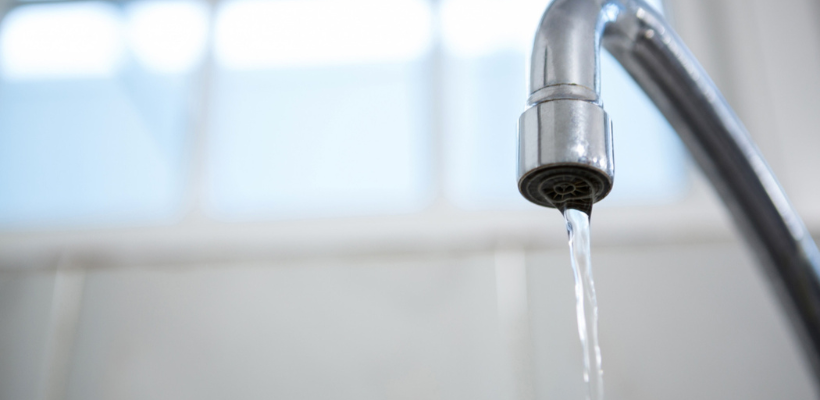
Low water pressure in commercial buildings is a common operational issue. It disrupts daily tasks and affects tenant satisfaction. Many property managers search for solutions to low water pressure commercial building concerns when complaints increase.
Water flow problems often signal deeper plumbing pressure problems. These issues can impact restrooms, kitchens, mechanical rooms, and tenant spaces. In commercial environments, consistent water pressure supports sanitation, compliance, and safety.
Building owners who invest in structured commercial plumbing maintenance programs can reduce pressure-related disruptions before they escalate. Preventive inspections protect infrastructure and maintain system performance across large facilities.
Understanding what causes low water pressure helps managers respond quickly. It also prevents unnecessary downtime.
Why Water Pressure Matters in Commercial Properties
Commercial plumbing systems operate under continuous demand. Offices, warehouses, retail spaces, healthcare facilities, and industrial sites depend on reliable water flow.
Inconsistent pressure affects fixtures and mechanical equipment. Low pressure can slow operations in kitchens and washrooms. It can also reduce the efficiency of boilers and water heaters.
The Canada Labour Code states:
“Every employer shall ensure that the health and safety at work of every person employed by the employer is protected.”
Reliable water pressure supports sanitation and workplace safety. Poor flow conditions may compromise cleaning standards and facility hygiene.
Pressure loss also increases wear on pumps and valves. Equipment works harder to compensate for an insufficient supply. Over time, this strain shortens system life.
Understanding Commercial Plumbing Pressure Problems
Commercial plumbing pressure problems rarely stem from a single cause. Large buildings have complex supply lines, pressure regulating valves, booster pumps, and backflow prevention devices.
Pressure loss may occur gradually or suddenly. Gradual decline often points to internal system restrictions. Sudden drops may indicate valve failure or municipal supply changes.
Stable pressure supports water efficiency. When pressure fluctuates, systems waste energy and water. Identifying the cause protects both operational budgets and sustainability goals.
Let us explore the most common causes of low water pressure in commercial buildings.
Municipal Supply Issues
Sometimes the problem originates outside the building. Municipal infrastructure repairs or seasonal demand spikes can reduce incoming water pressure.
Construction in surrounding areas may temporarily disrupt supply lines. Fire hydrant use during emergencies can also lower pressure in nearby properties.
When external factors cause pressure loss, building systems often function normally. Testing incoming supply pressure confirms whether the issue lies beyond the property.
Property managers should coordinate with local utilities before adjusting internal systems. This step prevents unnecessary repairs.
Failing Pressure Reducing Valves
Pressure-reducing valves regulate incoming municipal pressure. They ensure internal systems receive safe and consistent flow levels.
Over time, these valves wear out. Debris buildup can restrict movement. Internal components may corrode.
When a pressure-reducing valve fails, the building may experience low water pressure throughout multiple floors. Symptoms often include uneven flow and fluctuating fixture performance.
Replacing worn valves restores stable pressure. Routine inspection prevents sudden failures.
Corroded or Aging Piping
Older commercial buildings often contain galvanized steel piping. These pipes corrode internally over time. Mineral buildup narrows the pipe diameter.
Reduced pipe diameter restricts water flow. Pressure drops become noticeable during peak usage hours.
Aging infrastructure may no longer meet adequate supply standards. Pipe replacement or system upgrades restore proper flow.
Modern materials improve durability and maintain consistent pressure over decades.
Hidden Leaks in Supply Lines
Undetected leaks reduce system pressure gradually. Even small leaks divert water away from fixtures and equipment.
Leaks often occur behind walls or below slabs. Commercial facilities may not notice signs immediately.
Water meters may show unexplained increases in usage. Tenants may report inconsistent flow.
Leak detection services identify problem areas without invasive demolition. Repairing hidden leaks restores pressure and reduces water waste.
Malfunctioning Booster Pumps
High-rise buildings rely on booster pump systems. These pumps increase pressure to serve upper floors.
When booster pumps fail, upper levels experience severe low water pressure. Lower floors may still operate normally.
Electrical faults, worn impellers, or motor issues can reduce pump output. Routine mechanical inspections ensure booster systems operate efficiently.
Facilities with aging pump assemblies should consider modernization. Updated systems improve reliability and reduce energy consumption.
Backflow Prevention Device Restrictions
Commercial properties often require backflow prevention devices. These devices protect municipal water from contamination.
Over time, debris and mineral buildup can restrict internal components. Restricted backflow devices limit flow capacity.
Routine testing and cleaning maintain proper operation. Backflow inspections form part of responsible commercial plumbing maintenance.
Neglecting these devices can cause noticeable pressure reduction across the building.
Partially Closed Valves
Maintenance work sometimes leaves valves partially closed. Even slight restrictions reduce the flow rate.
This issue often appears after renovations or emergency repairs. Staff may not realize a valve remains restricted.
System-wide inspections verify valve positions. Ensuring full valve opening restores normal pressure quickly.
Though simple, this oversight commonly causes plumbing pressure problems.
Water Heater and Mechanical Equipment Issues
Commercial water heaters and mechanical systems influence perceived pressure. Sediment buildup in storage tanks reduces hot water flow.
When only hot water pressure drops, the issue may relate to heater components rather than supply lines.
Mechanical servicing clears sediment and restores performance. Maintaining heating equipment supports overall water pressure consistency.
Facilities should align mechanical inspections with plumbing system reviews for comprehensive performance.
Peak Demand and System Design Limitations
Some buildings experience low water pressure only during peak hours. High simultaneous demand strains undersized supply lines.
Office towers may see pressure loss during morning start times. Restaurants may experience issues during meal rush periods.
The original system design may not match current occupancy levels. Renovations and tenant expansions increase demand beyond initial capacity.
Upgrading pipe sizing or adding booster systems resolves recurring peak demand issues. Proper engineering ensures long-term reliability.
Property managers exploring comprehensive commercial plumbing inspection services often uncover design limitations during system assessments.
Sediment and Mineral Buildup
Calgary water contains minerals that accumulate in fixtures and pipes. Over time, scale buildup restricts internal flow.
Faucets and aerators clog first. Internal piping narrows gradually.
Water softening systems and periodic flushing reduce buildup. Preventive maintenance protects pressure stability.
Ignoring mineral accumulation leads to widespread plumbing pressure problems.
How to Diagnose Low Water Pressure in Commercial Buildings
Accurate diagnosis prevents unnecessary replacement costs. Technicians measure pressure at multiple points throughout the system.
Comparing the inlet pressure to fixture pressure reveals internal losses. Pump performance tests confirm mechanical efficiency.
Thermal imaging may identify hidden leaks. Flow rate measurements assess system capacity.
Comprehensive testing ensures targeted repairs. Guesswork often increases downtime and expense.
Commercial properties benefit from documented maintenance schedules. Structured inspections detect early warning signs before tenants report problems.
Preventing Recurring Pressure Issues
Low water pressure in commercial buildings often results from deferred maintenance. Regular inspections extend system life.
Facilities should implement quarterly visual checks. Annual mechanical reviews identify valve wear and pump inefficiencies.
Water meter monitoring detects leaks early. Backflow testing ensures unrestricted flow.
Mechanical rooms require organized documentation. Tracking service history supports informed decision-making.
Preventive planning reduces emergency repairs and tenant dissatisfaction.
The Operational Impact of Ignoring Pressure Problems
Ignoring plumbing pressure problems leads to operational disruption. Restrooms may become unusable. Kitchen operations slow down.
Industrial processes that depend on water flow may halt production. Equipment damage increases replacement costs.
Tenants lose confidence in facility management. Complaints escalate quickly.
Addressing pressure issues promptly protects property value and brand reputation.
Commercial buildings function as integrated systems. Water supply performance affects safety, hygiene, and productivity.
About Us
Maintaining stable water pressure requires technical experience and structured planning. Large commercial systems demand specialized knowledge.
One Mechanical supports Calgary property owners with comprehensive plumbing and mechanical expertise. Our team understands the complexities of commercial infrastructure.
From inspections to system upgrades, proactive service reduces operational risks. Every facility benefits from professional assessment and a preventive strategy.
If your building is experiencing persistent low water pressure, a professional evaluation prevents further disruption. Speak with experienced technicians or Contact Us to schedule an assessment.
Reliable pressure ensures safe, efficient, and compliant commercial operations. Early intervention protects both infrastructure and occupant confidence.